
















Samsung is giving millions of Galaxy users a timely security cleanup, with its November update addressing 179 vulnerabilities across Android and its own software.
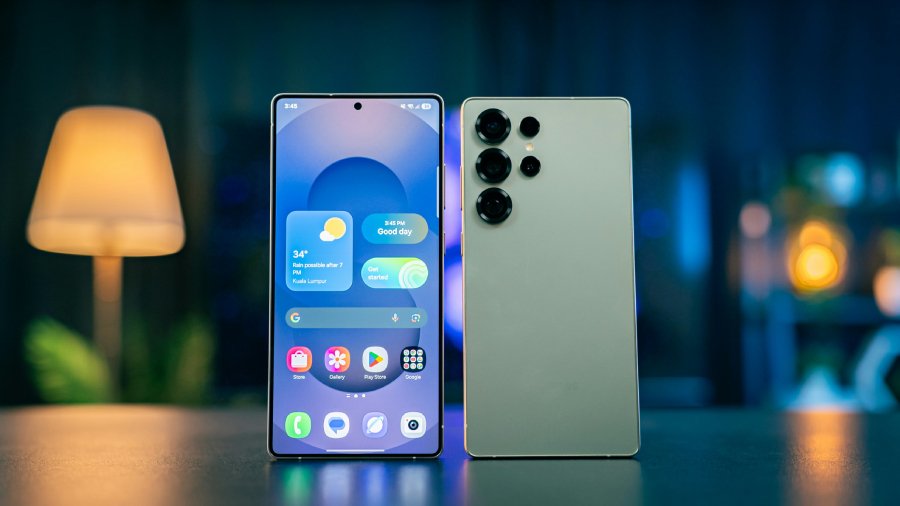
The November 2026 security update is beginning to reach Samsung's Galaxy S24 and S25 flagship families and Galaxy Tab S10 tablets, starting in South Korea.
The package contains 179 security fixes: 155 supplied by Google and 24 developed by Samsung. Twenty of Google's fixes address critical vulnerabilities, per Android Headlines, making this more than a routine maintenance release.
Samsung has disclosed details of 17 of its 24 fixes, while withholding information about the remaining seven until the update reaches more devices.
The company's patches cover several components, including Exynos chipsets and modems, the bootloader, Dialer, Contacts and Messages. They also address improper input validation and buffer overflow vulnerabilities.
Sammy Fans separately reports three high-severity One UI vulnerabilities involving bootloader memory handling and local privilege escalation.
Which Galaxy devices are receiving the update?
The rollout initially covers these devices in South Korea:
| Device family | Models |
| Galaxy S24 | S24, S24+, S24 Ultra |
| Galaxy S25 | S25, S25+, S25 Ultra |
| Galaxy Tab S10 | Tab S10+, Tab S10 Ultra |
SamMobile also reports availability for the Galaxy S24 FE and S25 FE, expanding the smartphone coverage beyond the standard flagship models. The Galaxy S24 series update carries firmware version S93xNKSSEDZK1 and weighs approximately 622MB.
The Galaxy S25 series receives build S92xNKSS6EZK1, with a download size of approximately 502MB.
Samsung is expected to expand availability to additional markets in the coming days, although distribution will happen in stages.
Why these fixes matter beyond Android
The number of vulnerabilities is significant, but the components being patched deserve particular attention.
Bootloader vulnerabilities are especially concerning because the bootloader helps establish the device's security before Android starts. A weakness at that level can undermine protections that users normally rely on after their phones have booted.
Similarly, local privilege escalation flaws can allow malicious applications to gain permissions beyond those originally granted.
For businesses using Galaxy devices, keeping firmware current is an important part of reducing endpoint exposure. Delayed updates can leave company phones and tablets running vulnerable software, complicating mobile security and device management.
However, installing this patch does not guarantee protection against every attack. Organizations should continue using access controls, application restrictions and endpoint monitoring alongside regular updates.
What Galaxy users should do now
Users in South Korea can check for the update manually by navigating to: Settings > Software update > Check for updates.
Those outside South Korea may need to wait until Samsung expands the rollout to their regions.
The update does not introduce major new features, so its value lies primarily in security improvements. Users should prioritize installation once it becomes available, particularly if they use their Galaxy devices for banking, business communications or sensitive work.
Samsung's upcoming One UI 9.5 release is expected in early 2027, but users should not wait for that software upgrade to receive these security protections.
For IT teams managing Galaxy fleets, track the security patch level each device actually reports after installation. Group devices by model and region so you can spot phones or tablets that remain on an older patch after others in the same group have updated. Those are the devices to follow up on first.
In other news, Google began rolling out Chrome 158 for Windows, macOS, and Linux with fixes for 204 vulnerabilities, including six rated critical.