

















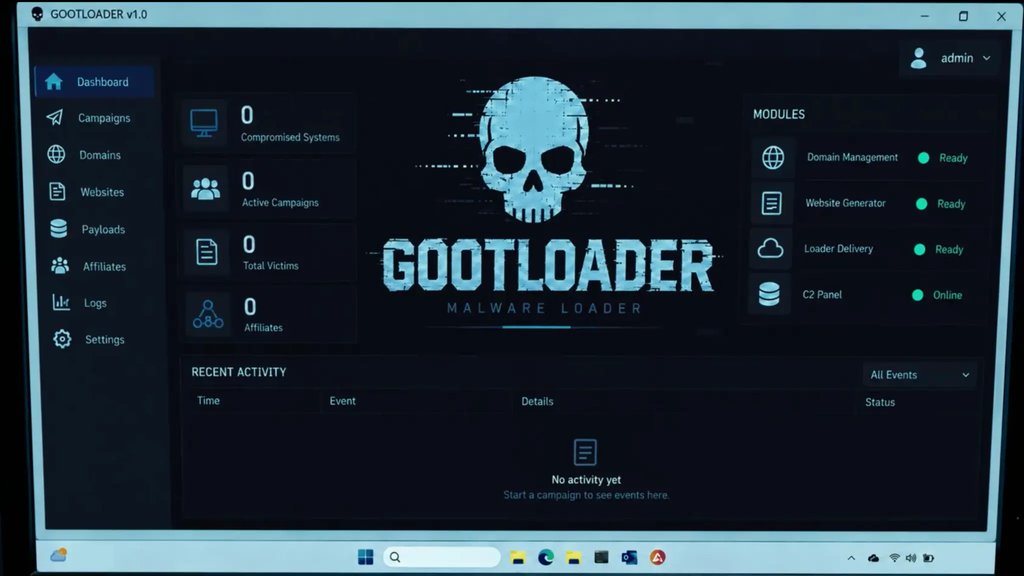
Police just yanked the rug out from under three notorious malware syndicates (Gootloader, CastleRAT, and StealC), seizing 235 servers, 257 domains, and 6.4 million stolen login credentials in a single sweeping strike.
Announced yesterday by Europol, this latest wave of Operation Endgame brought together law enforcement from nine countries, including the US, UK, Germany, and the Netherlands, alongside Eurojust and private cybersecurity partners. Rather than chasing individual ransomware gangs, investigators targeted the "cybercrime-as-a-service" supply chain that sells initial network access and stolen credentials to extortionists.
Inside the dismantled malware pipeline
Each targeted toolkit played a specific role in turning routine web browsing into corporate extortion:
| Malware family | Primary function | Infrastructure seized |
|---|---|---|
| Gootloader | Lures victims via fake legal documents on hacked sites to drop secondary payloads | 14 servers, 218 domains, and 681 remediated websites |
| CastleRAT | Surfaces remote access capabilities (keylogging, screen capture) to deploy ransomware | 120 servers and 39 domains |
| StealC | Harvests passwords, digital identities, and crypto wallets for underground resale | 102 servers (continuing a June 2026 crackdown) |
The whack-a-mole reality of infrastructure takedowns
Striking the upstream supply chain disrupts how ransomware affiliates operate, forcing criminals to rebuild expensive distribution networks from scratch. According to The Record, German investigators traced StealC’s rebuilt servers directly to Virtualine, a bulletproof hosting provider that the FBI seized in October.
"Anyone who rebuilds their infrastructure after police action leaves new leads that we will pursue," said Carsten Meywirth, head of the cybercrime department at Germany’s Federal Criminal Police Office, as quoted by The Record.
Still, infrastructure seizures come with a glaring limitation: zero arrests, indictments, or cryptocurrency seizures accompanied this action, The Record noted. Because StealC already survived a June takedown and bounced back five months later, defenders must treat this victory as a temporary pause rather than a permanent eradication.
How the takedown impacts businesses and everyday users
The 6.4 million recovered credentials—stolen from more than 40,000 victims—represent active keys to corporate networks and personal accounts. If left unchecked, buyers on criminal forums will use those logins to launch follow-on breaches.
To stay protected, organizations and individuals should act immediately:
- Check for exposed logins: Europol confirmed victim datasets are being routed to Have I Been Pwned, CheckjeHack, Shadowserver, DIVD, NoMoreLeaks, Sekoia, and NL-NCSC. Run your email addresses through these breach-notification portals.
- Lock down WordPress sites: Because Gootloader relied heavily on compromised WordPress installations to host poisoned search results, Europol urges site administrators to rotate passwords, apply pending patches, enable multifactor authentication, and audit for rogue admin accounts.
- Enforce identity controls: Businesses should require phishing-resistant multifactor authentication across remote access tools to prevent stolen StealC or CastleRAT credentials from being replayed.
For businesses, the larger lesson is that dismantling malware infrastructure doesn't automatically eliminate the risks it created. Stolen credentials can remain useful long after the servers that collected them have gone offline, making proactive account security and ongoing monitoring essential even after a major law enforcement victory.
Additional reading: For more on the international crackdown, read how an earlier Operation Endgame takedown targeted StealC infrastructure and recovered millions of stolen credentials in June 2026.